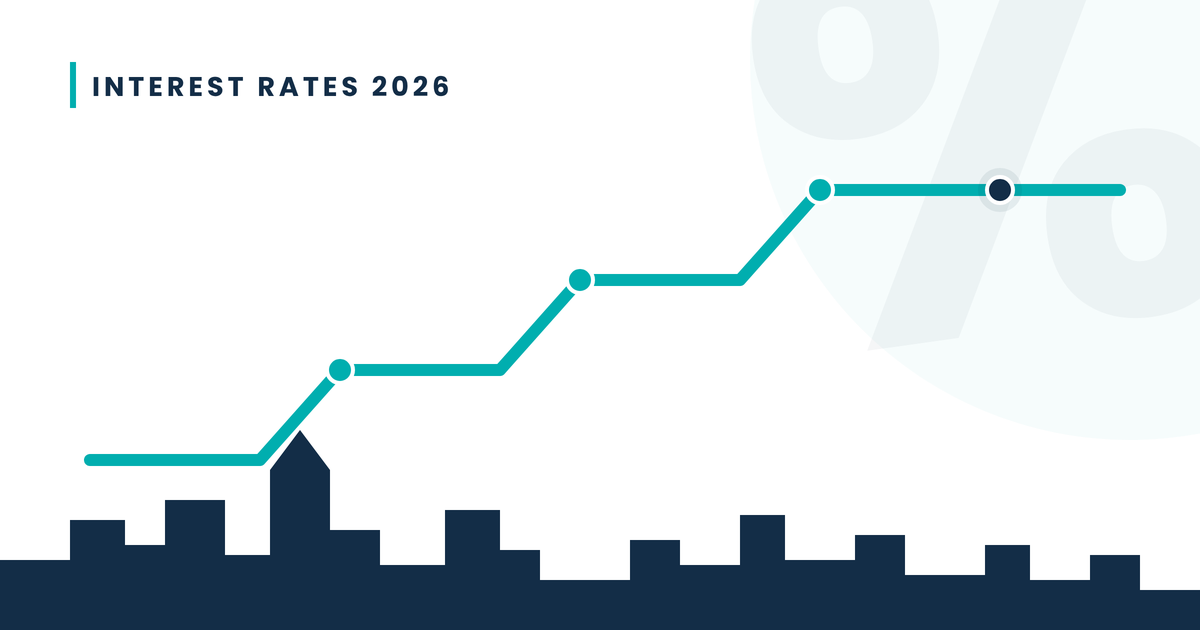
If your budget’s feeling tighter this year, you’re not imagining it. The Reserve Bank has lifted the cash rate three times in 2026, and even though it held steady in June, plenty of borrowers are still catching up on what’s changed and what might come next.
Here’s a plain-English look at where rates stand right now, what it means for your repayments, and what’s actually worth doing about it.
What's happened to interest rates this year
The Reserve Bank of Australia (RBA) raised the cash rate three times in the first half of 2026, taking it to 4.35%. The increases followed a jump in inflation, partly driven by a spike in global oil prices linked to conflict in the Middle East.
At its June meeting, the RBA board left the cash rate on hold. That doesn’t mean rates are done moving. The board has said it’s still watching inflation closely, and further increases haven’t been ruled out. Its next decision is due on 11 August 2026.
For everyday borrowers, that means one thing: check your numbers now, rather than waiting to be surprised at your next statement.
What this looks like in real repayments
A hold on the cash rate doesn’t undo the three increases that came before it.
On a typical $600,000 loan over 25 years, the three rate rises this year could add hundreds of dollars a month to repayments, depending on your lender and the interest rate you’re paying. On a larger loan, the increase would be proportionally bigger again.
If you haven’t checked your repayment amount since your rate last changed, it’s worth having a look. Lenders don’t always pass on increases at the same pace, and it’s easy for a rate rise to slip past unnoticed if you’re not checking your statements closely.
If your fixed rate is coming up for renewal
If you fixed your rate in the last couple of years, you may be in for a bigger jump than variable-rate borrowers when your term ends. Fixed rates locked in during lower-rate periods can sit well below what’s on offer today, which means the switch back to a variable (or a new fixed) rate can catch people off guard.
If your fixed term is ending in the next six to twelve months, it’s worth working out your likely new repayment now, not the week your rate changes. That gives you time to adjust your budget, or look at your options, before the change actually hits your account.
Three things worth doing now
1. Check whether you’re still on a competitive rate. Rates vary a lot between lenders right now, and borrowers who haven’t reviewed their loan in a while are often paying more than they need to. Before switching home loans, it is important to compare the potential savings against any costs involved.
2. Look at your fixed and variable options. There’s no single right answer here — it depends on your situation, how much certainty you want, and how much risk you’re comfortable with. A broker can talk you through the trade-offs rather than you having to guess.
3. Build in a buffer. If there’s a chance rates could move again in August, it’s worth stress-testing your budget against a further increase, even a small one. Knowing you can absorb another rate rise (or knowing you can’t, and adjusting now) beats finding out the hard way.
What might happen on 11 August
Economists are genuinely divided on this one. Some expect the RBA to hold again while it watches how the economy responds to the three earlier increases. Others think another rise is still on the table if inflation stays high. A smaller number think conditions could ease enough for cuts to start later in the year.
The safest approach is to plan around your current rate, not a rate you’re hoping for.
Talk to Mynt Financial
If it’s been a while since your loan was reviewed, or you’re not sure whether fixing, splitting or staying variable makes sense for you, we’re happy to have a look. A quick chat with a broker can tell you whether you’re paying more than you need to – and if there’s a better option out there, we’ll help you weigh it up.
Frequently Asked Questions
Will interest rates go up again in August 2026? No one can say for certain. The RBA’s next decision is 11 August 2026, and economists are split between another hold, a further rise, or the start of cuts later in the year. It’s sensible to plan around your current rate rather than assume a particular outcome.
Should I fix my home loan right now? It depends on your risk tolerance and how much certainty you want over your repayments. Fixed rates lock in your repayment but remove flexibility, while variable rates can move either way. A broker can walk you through both scenarios based on your loan and goals.
How do I know if I’m paying too much on my home loan? Compare your current rate against what’s advertised for similar loans elsewhere, or ask a broker to check for you. If you haven’t reviewed your loan in the last twelve months, there’s a reasonable chance a better deal exists.
What’s the difference between the cash rate and my mortgage rate? The cash rate is the rate the RBA sets for banks lending to each other overnight. It influences, but doesn’t directly set, the interest rate your lender charges you. Lenders can move their own rates up or down independently of the RBA, based on their funding costs and competitive position.
Is refinancing worth it while rates are uncertain? It can be, depending on your current rate, your loan balance and your equity. Refinancing makes the most sense when the savings outweigh the costs involved in switching. A broker can run the numbers for your specific loan before you decide.
Still Have Questions? Let's Chat.
Whether you’re buying your first home, refinancing your existing loan or investing in property, we’re here to answer your questions and help you understand your options.
No pressure. No obligation. Just honest advice.
Disclaimer: This article contains general information only and does not constitute credit, financial, tax or legal advice. Individual circumstances vary, and readers should seek professional advice tailored to their situation before making any financial decisions. All finance applications are subject to lender approval, eligibility criteria and lending policy.